Where to start
Turn a broad idea into a summer that fits your learning goals, study stage, and curiosity.
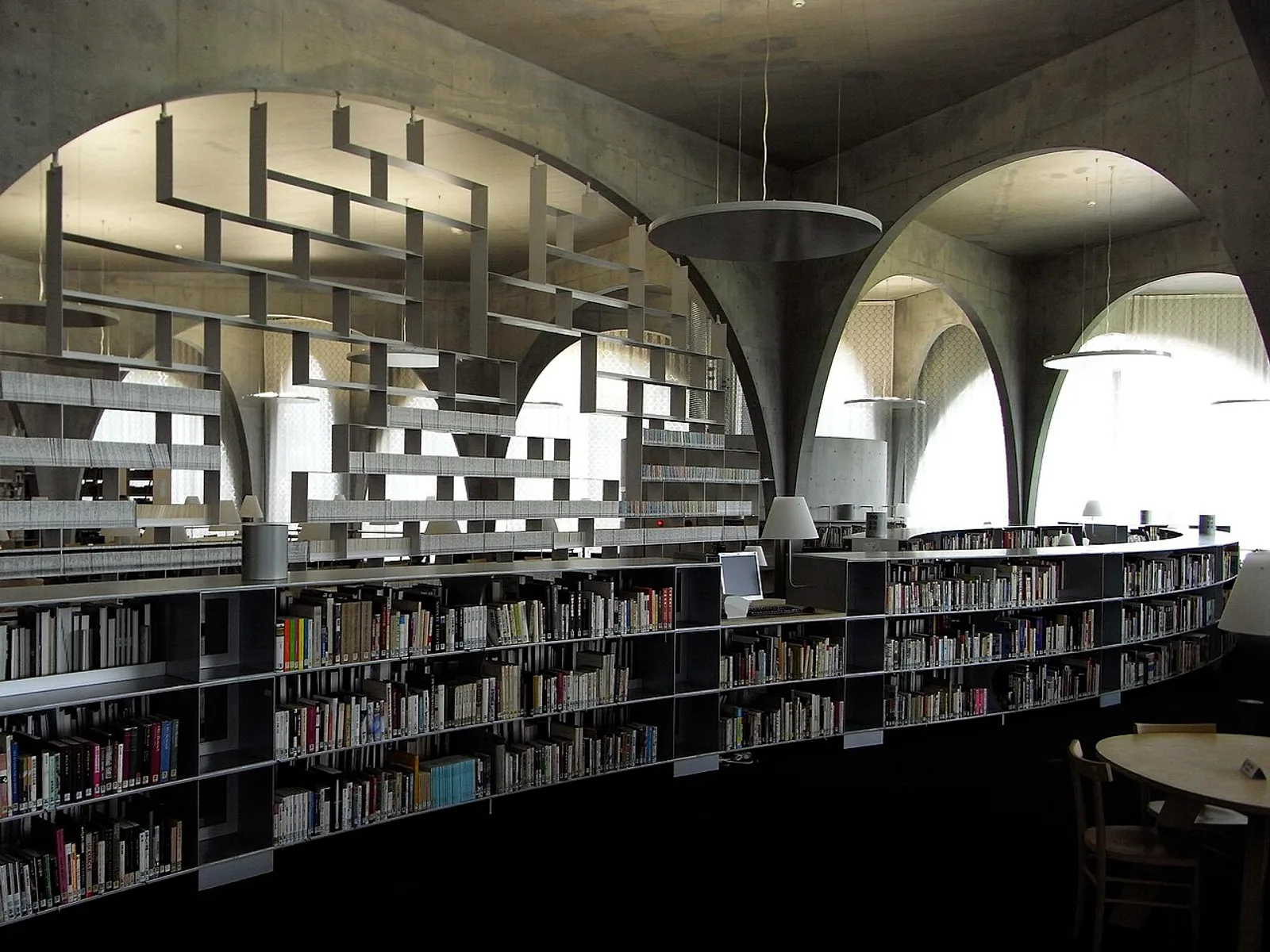
Start with the experience you want.
Your summer can be about an academic question, a language you want to use with confidence, or the experience of living somewhere new. Choose one main goal, then a second thing you would love the summer to make possible.
“I want to explore ___, in a format that suits my ___ level, with time for ___.”
Keep that sentence beside you as you compare options. It helps you make choices about the learning itself as well as the destination.
Choose a learning format.
University summer schools
These often center on academic courses, with lectures, seminars, projects, or assessment. Some award academic credit. Look at the curriculum and teaching language, then ask your home institution how the work could fit your degree.
Language and cultural experiences
Language classes can be paired with everyday practice, visits, and local activities. Compare the balance between class time and cultural experiences, along with where and with whom you would stay.
Summer camps
A camp may combine language, shared activities, and cultural exploration for a particular age group. Read the age range, daily schedule, and support arrangements together. The name is a starting point; the daily experience tells you more.
Bring academic learning and local life together.
For a university student, a useful summer can deepen a subject while offering a different perspective on it. Yonsei’s summer school pairs academic courses with extracurricular opportunities; Waseda’s summer session offers Japan-focused academic subjects.
If credits are part of your goal, save the syllabus, teaching hours, assessment method, and transcript information. Your home institution decides how it recognizes overseas study, so start that conversation before you commit.
For a language-focused summer, look at how you will use what you learn. Lexis Korea includes cultural activities around Seoul; CIEE’s Tokyo program brings Japanese learning together with a homestay and cultural experiences for high school students.
Find a city that fits your rhythm.
Think about more than a country name. The campus neighborhood, the journey from housing to class, and the activities around you shape your everyday summer.
- Seoul: explore university neighborhoods and Korean cultural life.
- Busan: connect academic interests with a coastal city.
- Tokyo: experience a large city through its distinct neighborhoods.
- Kyoto: make room for academic curiosity and living traditions.
- Osaka: explore the universities and urban culture of the wider Kansai region.
Turn your ideas into a shortlist.
Choose two or three options that fit your main goal. For each one, note the official website, the program name, the campus, and the information you still need. Compare the same topics across each option instead of relying on a memorable photograph or a broad promise.
Use the summer learning checklistOfficial reading
These official pages inform the examples in this guide. Reviewed October 23, 2026.
- Yonsei International Summer School: academic courses (opens in a new tab)
- Yonsei International Summer School: cultural activities (opens in a new tab)
- Waseda Summer Session: courses and credits (opens in a new tab)
- Lexis Korea: Teen Summer Camp (opens in a new tab)
- CIEE: Japanese Language & Culture in Tokyo (opens in a new tab)